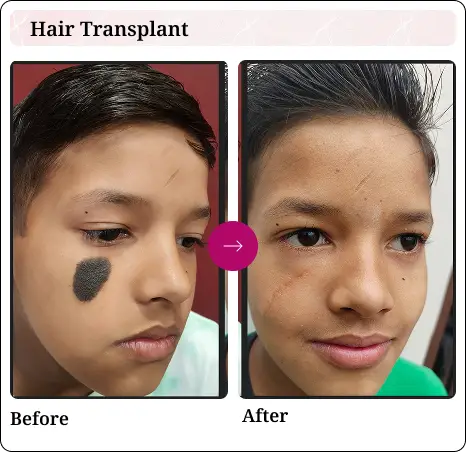
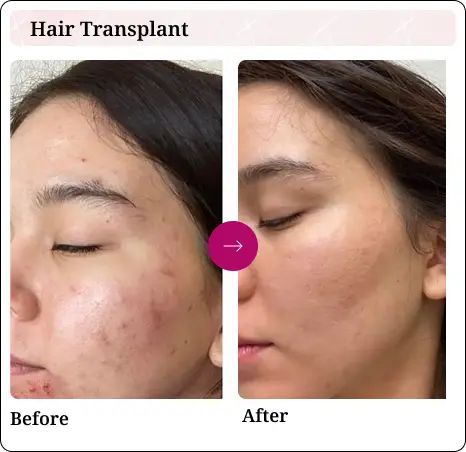
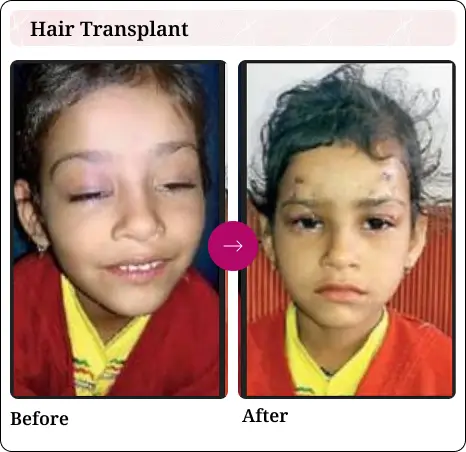
Rhinoplasty, commonly known as nose surgery or a nose job, is performed to reshape the nose and improve its proportion with other facial features. It may address concerns such as a prominent hump, broad or drooping nasal tip, asymmetry, wide nostrils, or changes caused by injury. In some patients, the procedure may also be combined with functional correction to improve breathing. The surgical plan is customised according to nasal structure, skin thickness, facial proportions, medical history, and individual expectations. The aim is to achieve a natural-looking result that complements the patient’s face while preserving or improving nasal function.
• Rhinoplasty may reshape the nasal bridge, tip, nostrils, or overall size and proportion of the nose. • Functional nose surgery may be performed alongside cosmetic rhinoplasty when structural problems contribute to breathing difficulties. • Rhinoplasty may use an open or closed surgical technique, depending on the changes required and the surgeon’s treatment plan. • Swelling gradually reduces over several months, and the final nasal definition may take time to become fully visible.
Rhinoplasty is a highly individualised procedure planned according to nasal anatomy, breathing function, facial balance, and aesthetic goals. These answers explain its techniques, recovery, results, and possible risks.
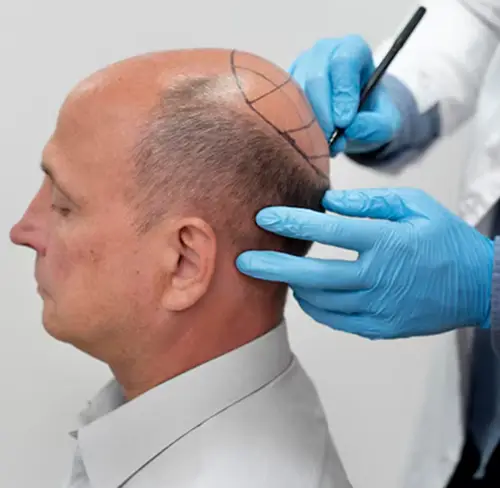
Rhinoplasty is a surgical procedure that reshapes the nose by modifying bone, cartilage, skin, or internal structures to improve appearance, function, or both.
Rhinoplasty may address a nasal hump, broad bridge, drooping or enlarged tip, wide nostrils, asymmetry, excessive size, injury-related deformity, or breathing concerns.
Suitable candidates may include healthy individuals with fully developed facial structures, realistic expectations, and cosmetic or functional concerns involving the nose.
Yes. When breathing problems result from structural abnormalities, rhinoplasty may be combined with septal or internal nasal correction to improve airflow and function.
Open rhinoplasty uses a small external incision between the nostrils, while closed rhinoplasty places all incisions inside the nose. Technique depends on treatment requirements.
Anaesthesia prevents pain during surgery. Temporary pressure, congestion, tenderness, swelling, or discomfort may occur afterward and can usually be managed with medication.
Most visible bruising and swelling improve within several weeks. However, subtle swelling may continue reducing gradually for several months after the procedure.
Early changes are visible after initial swelling settles, but final nasal definition may take several months or longer as tissues continue healing.
Closed rhinoplasty leaves internal scars. Open rhinoplasty creates a small external scar between the nostrils, which generally becomes less noticeable over time.
Possible risks include bleeding, infection, breathing difficulty, asymmetry, altered sensation, visible scarring, nasal obstruction, unsatisfactory appearance, or the need for revision surgery.
2024@copyright
AI ANALYSIS
WhatsApp us