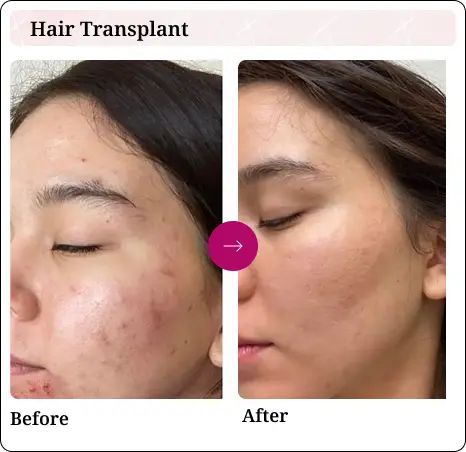
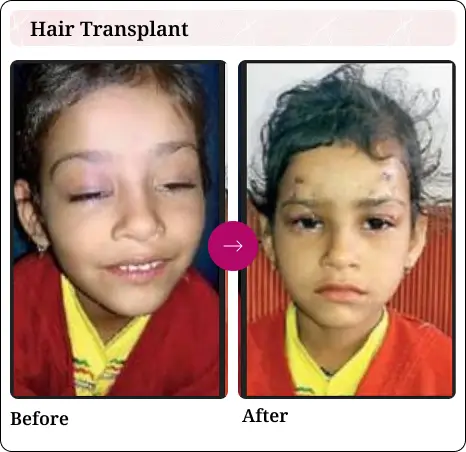
Laser hair removal is a non-surgical treatment that uses controlled light energy to target pigment within hair follicles and reduce future hair growth. It may be performed on areas such as the face, underarms, arms, legs, chest, back, bikini area, and abdomen. Since hair grows in different cycles, multiple treatment sessions are generally required for noticeable and lasting reduction. The treatment plan is customised according to skin tone, hair colour, hair thickness, treatment area, medical history, and previous hair-removal methods. The objective is long-term hair reduction rather than guaranteed permanent removal of every hair.

Did you Know?

• Laser hair removal works most effectively when the treatment energy can distinguish between the pigment in the hair and surrounding skin. • Multiple sessions are required because the laser primarily affects hairs that are in an active stage of growth. • Common treatment areas include the face, underarms, arms, legs, back, chest, abdomen, and bikini region. • Maintenance sessions may be needed because hormonal changes, ageing, or dormant follicles can cause some hair to regrow.
FREQUENTLY ASKED QUESTIONS ABOUT LASER HAIR REMOVAL

Laser hair removal is customised according to skin type, hair characteristics, and the area being treated. These answers explain preparation, sessions, recovery, results, and possible risks.

1. What is laser hair removal?

Laser hair removal uses concentrated light energy to heat and damage selected hair follicles, gradually reducing the amount and thickness of unwanted hair growth.

Treatment may be performed on the face, upper lip, chin, underarms, arms, legs, chest, back, abdomen, bikini area, and other suitable regions.

Most patients require several sessions because individual hairs grow at different times. The exact number depends on hair density, colour, location, and hormonal factors.

It can provide long-term, stable hair reduction, but complete permanent removal cannot be guaranteed. Some regrowth and occasional maintenance treatments may occur.

Patients may experience brief warmth, snapping, or stinging sensations during treatment. Cooling methods may be used to improve comfort and protect the skin.

6. Should I shave before treatment?

Shaving is commonly advised before treatment, while waxing or plucking should generally be avoided because the laser needs pigment within the follicle to work.

Many skin tones can be treated using appropriately selected devices and settings. A professional assessment is essential to reduce burns and pigmentation changes.

Temporary redness, warmth, swelling, or sensitivity may occur. Patients should follow aftercare instructions and protect the treated area from excessive sun exposure.

Hair may shed gradually after treatment, and reduction becomes more noticeable across successive sessions as additional active follicles are treated.

Possible risks include redness, swelling, blistering, burns, infection, scarring, incomplete reduction, and temporary or permanent changes in skin colour.

Clients Who Trust us