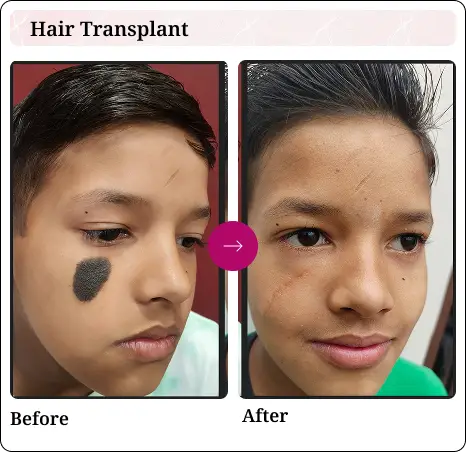
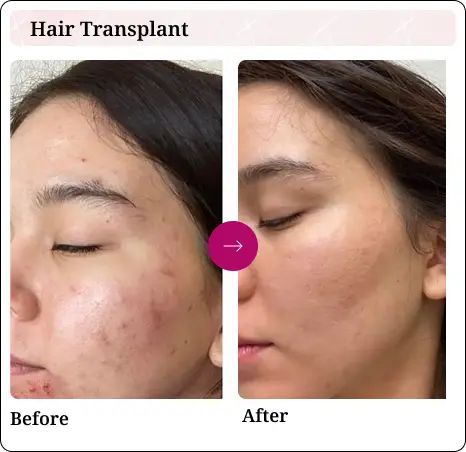
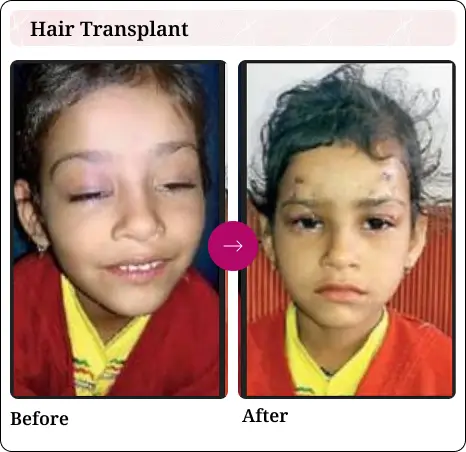
Vitiligo is a long-term skin condition in which pigment-producing cells stop functioning or are destroyed, causing white or pale patches to develop. It may affect the face, hands, feet, body folds, scalp, or other areas and can occur in people of every skin tone. Treatment is selected according to the type, location, extent, stability, age, medical history, and effect of the condition. Options may include topical medicines, light therapy, camouflage products, oral treatment, or selected surgical procedures. Treatment may restore some colour and help control progression, but no method can guarantee a permanent cure.
Did you Know?
• Vitiligo is not contagious and cannot spread from one person to another through physical contact.
• White patches develop because the skin loses melanin, the pigment responsible for normal skin colour.
• Treatment results vary by body area, and facial patches often respond better than areas such as the fingertips.
• Vitiligo-affected skin is more vulnerable to sunburn, making regular sun protection an
FREQUENTLY ASKED QUESTIONS ABOUT VITILIGO TREATMENT
Vitiligo treatment is personalised according to the pattern, activity, location, and extent of pigment loss. These answers explain diagnosis, available options, outcomes, and ongoing skin care.
1. What is vitiligo?
Vitiligo is a long-term condition that causes clearly defined white patches when pigment-producing skin cells stop functioning or are damaged.
2. What causes vitiligo?
Vitiligo is commonly associated with an autoimmune process in which the immune system mistakenly attacks melanocytes, although genetic and environmental factors may contribute.
3. Is vitiligo contagious?
No. Vitiligo is not an infection and cannot be transmitted through touching, sharing food, close contact, or using another person’s belongings.
4. Can vitiligo be cured permanently?
There is currently no guaranteed permanent cure. Treatment may restore colour, slow progression, and reduce new patches, but pigmentation can fade or recur.
5. How is vitiligo diagnosed?
Diagnosis usually involves examining the skin and medical history. Additional tests may be recommended to exclude other conditions or identify associated autoimmune disorders.
6. Which treatments are available for vitiligo?
Options may include topical corticosteroids, other prescription creams, light therapy, oral medicines, camouflage products, depigmentation, or selected surgical procedures.
7. What is light therapy for vitiligo?
Light therapy exposes affected skin to controlled ultraviolet light over repeated sessions to encourage repigmentation and help manage the progression of patches.
8. Can surgery treat vitiligo?
Selected patients with stable vitiligo may be considered for skin grafting or cellular transplantation procedures after a detailed assessment by an experienced specialist.
9. How long does treatment take to work?
Vitiligo treatment often requires several months. The response varies according to the treatment used, affected area, disease stability, and individual skin characteristics.
10. Why is sunscreen important for vitiligo?
Depigmented skin burns more easily. Sunscreen helps protect sensitive areas, reduces contrast caused by tanning, and limits additional damage from ultraviolet exposure.