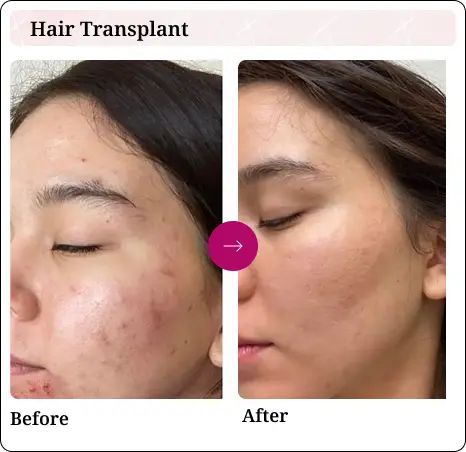
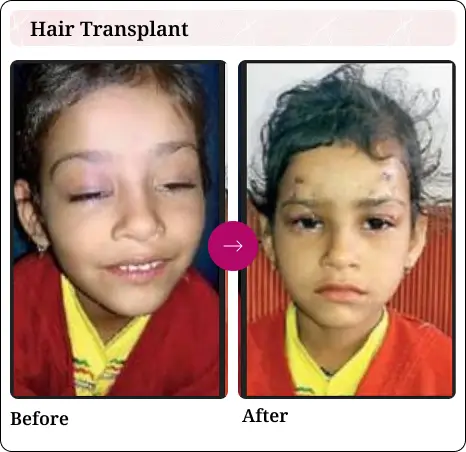
Skin rejuvenation includes a range of non-surgical and minimally invasive treatments designed to improve skin tone, texture, clarity, and visible signs of ageing. Depending on the concern, treatment may involve chemical peels, laser procedures, microdermabrasion, microneedling, light-based therapy, injectables, or a customised combination. The most appropriate approach is selected according to skin type, pigmentation, sensitivity, medical history, and desired improvement. Some treatments provide gradual results across multiple sessions, while others require a longer recovery period. The objective is to achieve natural-looking improvement without unnecessarily changing the patient’s facial features.

Did you Know?

• Skin rejuvenation is not one procedure; it may include laser treatments, chemical peels, microdermabrasion, microneedling, injectables, or light-based therapies. • Treatment may improve concerns such as dullness, uneven tone, mild pigmentation, rough texture, fine lines, sun damage, and selected scars. • Recovery can range from minimal redness to several weeks of peeling, crusting, or sensitivity, depending on treatment intensity. • Skin continues to age naturally after treatment, so maintenance sessions and consistent skincare may be recommended.
FREQUENTLY ASKED QUESTIONS ABOUT SKIN REJUVENATION

Skin rejuvenation must be customised according to the concern, skin type, sensitivity, and desired result. These answers explain common treatments, recovery, outcomes, and possible risks.

1. What is skin rejuvenation?

Skin rejuvenation includes non-surgical and minimally invasive treatments intended to improve skin tone, texture, clarity, firmness, pigmentation, and visible signs of ageing.

It may improve dullness, uneven texture, fine lines, mild pigmentation, sun damage, enlarged pores, superficial scars, reduced firmness, and tired-looking skin.

Options may include chemical peels, laser resurfacing, light therapy, microneedling, microdermabrasion, radiofrequency treatments, injectables, or a customised combination.

Treatment is selected after assessing skin type, concern, sensitivity, pigmentation risk, medical history, previous procedures, desired improvement, and acceptable recovery time.

The number of sessions depends on the selected procedure, concern severity, treatment response, and desired improvement. Some treatments require a planned series.

6. Is skin rejuvenation painful?

Discomfort varies by procedure. Patients may experience warmth, tingling, stinging, pressure, or temporary burning, with anaesthesia or cooling used when appropriate.

Downtime ranges from almost none to several weeks. It depends on whether the treatment is superficial, ablative, injectable, or more intensive resurfacing.

Some improvement may appear quickly, while collagen-based and resurfacing treatments generally produce gradual changes over several weeks or months.

Duration varies by treatment, skin condition, ageing, lifestyle, and sun exposure. Maintenance sessions and appropriate skincare may help preserve improvement.

Possible risks include redness, swelling, irritation, infection, bruising, burns, scarring, pigmentation changes, acne flare-ups, uneven results, or prolonged sensitivity.

Clients Who Trust us