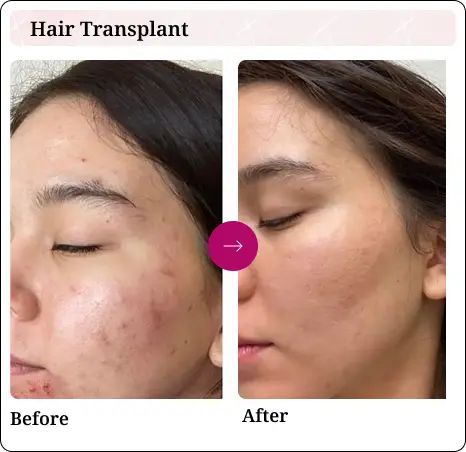
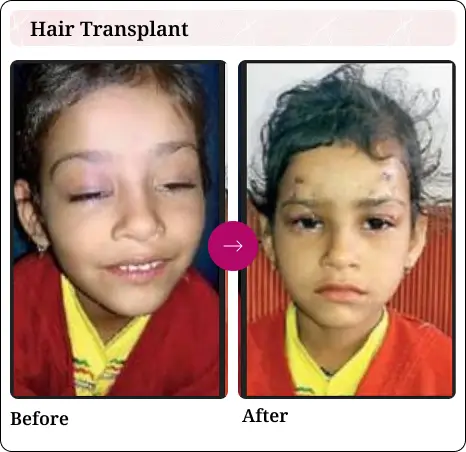
Scar removal treatment includes surgical and non-surgical procedures used to improve scars caused by acne, burns, injuries, operations, or poor wound healing. Treatment is selected according to whether the scar is raised, depressed, widened, discoloured, painful, itchy, or restricting movement. Available options may include scar revision surgery, laser therapy, steroid injections, silicone treatment, dermabrasion, or combined approaches. The objective is to make the scar less prominent and help it blend more naturally with the surrounding skin. Complete scar removal cannot be guaranteed, and some scars may require multiple treatments

Did you Know?

• Scar treatment is selected according to the scar’s type, age, size, location, colour, texture, and effect on movement or comfort. • Raised scars may respond to steroid injections, silicone therapy, laser treatment, freezing, surgery, or a carefully planned combination of treatments. • Surgical scar revision removes or repositions scar tissue to create a finer scar that may follow natural skin lines more closely. • Final results develop gradually, and a revised scar may continue healing and fading for several months or up to a year.
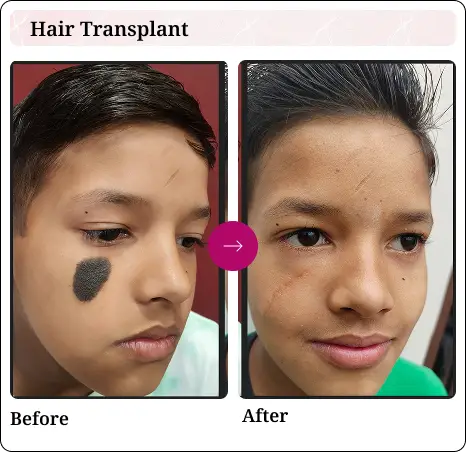
FREQUENTLY ASKED QUESTIONS ABOUT SCAR REMOVAL

Scar treatment must be customised according to the type of scar, symptoms, skin characteristics, and expected improvement. These answers explain available procedures, recovery, outcomes, and risks.

1. What is scar removal treatment?

Scar removal treatment includes surgical and non-surgical procedures designed to make scars flatter, smoother, less discoloured, more comfortable, and less noticeable.

No treatment can guarantee complete removal. The aim is generally to improve the scar’s appearance, texture, colour, symptoms, and relationship with surrounding skin.

Treatment may help raised, depressed, widened, contracted, discoloured, acne-related, burn, injury-related, surgical, hypertrophic, and keloid scars after proper assessment.

Scar revision surgery removes or rearranges scar tissue before carefully closing the skin to create a finer, better-positioned, and potentially less visible scar.

Laser treatment may improve redness, pigmentation, thickness, texture, itching, or firmness. The number of sessions depends on the scar and selected laser technology.

6. How are raised scars treated?

Raised scars may be treated using steroid injections, silicone products, pressure therapy, cryotherapy, laser procedures, surgery, or a combination of suitable methods.

Acne scars may be improved using laser resurfacing, dermabrasion, microneedling, fillers, subcision, chemical peels, surgery, or combined treatments based on scar type.

Recovery varies by treatment. Minor procedures may require several days, while surgical revision may involve swelling, wound care, and activity restrictions for weeks.

Some scars, particularly keloids and hypertrophic scars, may recur. Additional treatment after surgical removal may help reduce the likelihood of recurrence.

Possible risks include bleeding, infection, pigmentation changes, numbness, delayed healing, pain, recurrence, unfavourable scarring, asymmetry, or the need for further treatment

Clients Who Trust us