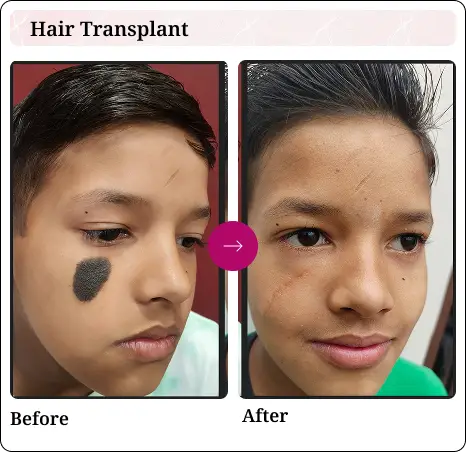
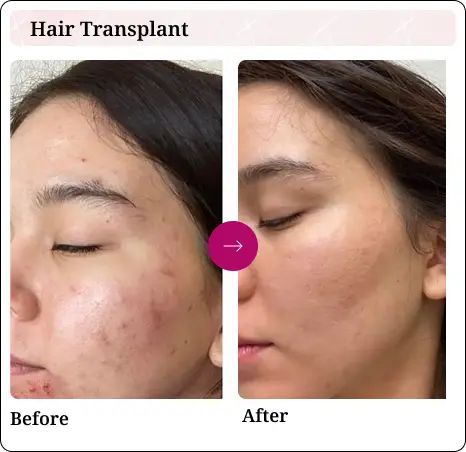
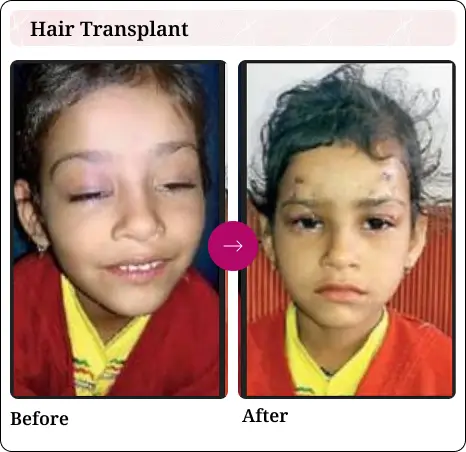
Scar management includes surgical and non-surgical treatments designed to improve the appearance, texture, colour, or discomfort associated with scars. Treatment may be considered for scars caused by injuries, burns, surgery, acne, or poor wound healing. Depending on the scar type, options may include scar revision surgery, steroid injections, silicone therapy, laser treatment, dermabrasion, or other procedures. The most appropriate approach is selected after evaluating the scar’s size, location, age, depth, and effect on movement. Treatment aims to make the scar less noticeable, although complete removal cannot be guaranteed.
• Scars naturally form as the body repairs damaged skin, and their appearance may continue changing for months or years. • Scar treatment is selected according to whether the scar is raised, depressed, widened, discoloured, contracted, painful, or itchy. • Raised scars such as hypertrophic scars or keloids may be treated using steroid injections, silicone therapy, laser procedures, or combined methods. • Scar revision surgery replaces an existing scar with a more carefully positioned scar that may blend better with the surrounding skin.
Scar treatment depends on the type, location, maturity, and symptoms of the scar. These frequently asked questions explain available procedures, expected improvement, recovery, and possible risks.
Scar management includes medical, surgical, and minimally invasive treatments used to improve a scar’s appearance, texture, colour, thickness, discomfort, or effect on movement.
No treatment can guarantee complete scar removal. The objective is usually to make the scar flatter, smoother, less noticeable, and better blended with surrounding skin.
Treatment may be considered for raised, depressed, widened, dark, pale, contracted, acne-related, surgical, traumatic, burn, hypertrophic, or keloid scars.
Scar revision surgery removes or repositions scar tissue and carefully closes the skin to create a finer, better-aligned, and potentially less noticeable scar.
Raised scars may be treated using steroid injections, silicone gel or sheets, pressure therapy, laser treatment, surgery, or a combination of suitable approaches.
Laser treatment may improve scar colour, texture, thickness, tightness, itching, or redness. Several sessions may be required depending on the scar’s characteristics.
Timing depends on wound healing and scar maturity. Some treatments begin early, while surgical revision may be delayed until the scar has sufficiently matured.
Initial swelling, discolouration, and discomfort may improve within one or two weeks, although the revised scar can continue refining for several months.
Some scars, particularly keloids and hypertrophic scars, may recur after treatment. Combined therapies and careful follow-up may help reduce the possibility of recurrence.
Possible risks include infection, bleeding, poor wound healing, skin discolouration, altered sensation, asymmetry, recurrence, widened scarring, or an unsatisfactory cosmetic result.
2024@copyright
AI ANALYSIS
WhatsApp us