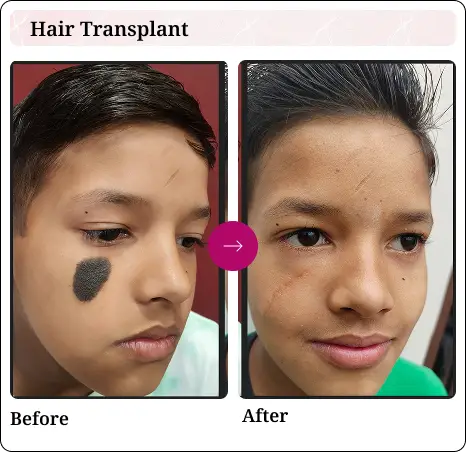
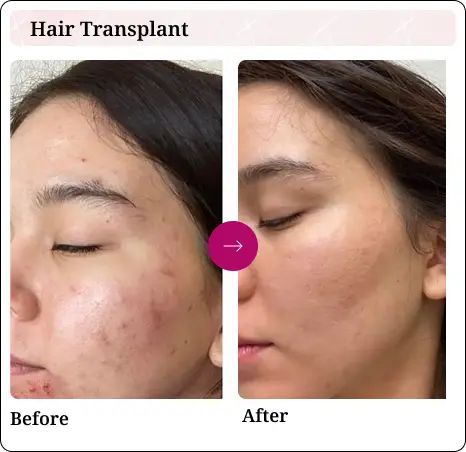
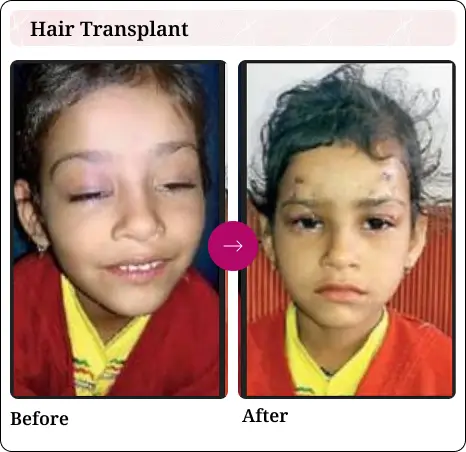
Microdermabrasion is a gentle, non-surgical skin-resurfacing treatment that removes dead cells from the outermost layer of the skin. It may help improve dullness, mild uneven texture, superficial pigmentation, clogged pores, and the appearance of fine lines. During treatment, a specialised device uses fine crystals or a diamond-tipped applicator to exfoliate the skin while removing loosened debris. The procedure is customised according to skin type, sensitivity, treatment area, and individual concerns. It generally involves minimal downtime and may be performed as a series of sessions for gradual improvement.
• Microdermabrasion treats the outermost layer of the skin and is considerably gentler than surgical dermabrasion. • It may be performed on the face, neck, chest, hands, arms, or other suitable areas after professional assessment. • Several sessions may be recommended because the treatment produces gradual rather than dramatic changes in skin texture. • Temporary redness, tightness, dryness, or sensitivity may occur shortly after the treatment.
Microdermabrasion may be suitable for people seeking gentle exfoliation and gradual improvement in superficial skin concerns. These answers explain the procedure, sessions, recovery, results, and limitations.
Microdermabrasion is a non-surgical exfoliation treatment that removes dead surface skin cells using a crystal-based or diamond-tipped device with controlled suction.
It may improve dullness, mild pigmentation, rough texture, clogged pores, superficial acne marks, fine lines, and uneven-looking skin after appropriate assessment.
A handheld device is moved across the treatment area to gently exfoliate the outer skin layer while suction removes dead cells and surface debris.
The treatment is generally well tolerated. Patients may experience mild scratching, vibration, pressure, or suction sensations without requiring anaesthesia.
A facial microdermabrasion session commonly takes around 30 to 60 minutes, depending on the treatment area, skin condition, and additional procedures performed.
Several sessions may be recommended at planned intervals. The number depends on skin concerns, treatment response, desired improvement, and the practitioner’s assessment.
Most patients can resume routine activities immediately. Mild redness, dryness, tightness, or sensitivity may remain for several hours or occasionally longer.
Skin may feel smoother soon after treatment, while improvements in brightness, texture, and tone generally become more noticeable across repeated sessions.
No. It mainly treats superficial concerns and cannot significantly correct deep acne scars, which may require lasers, subcision, microneedling, or other procedures.
Possible risks include redness, dryness, irritation, bruising, temporary sensitivity, minor abrasions, pigmentation changes, infection, or worsening of certain active skin conditions.
2024@copyright
AI ANALYSIS
WhatsApp us