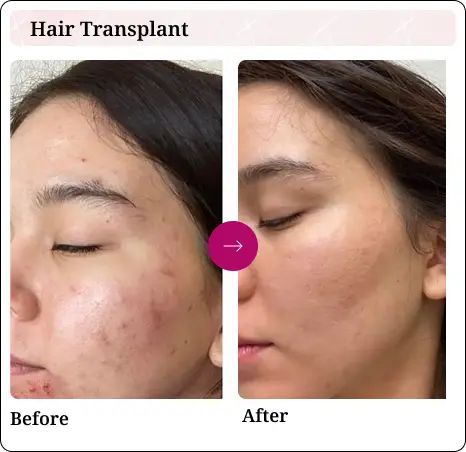
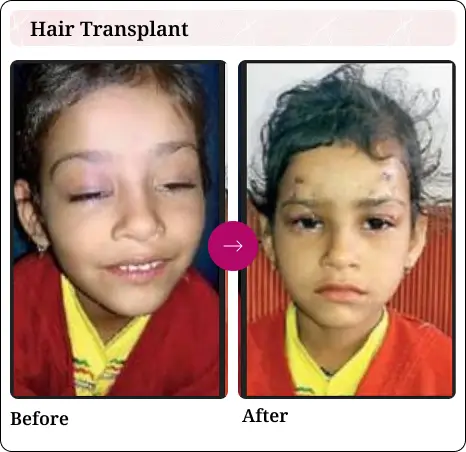
Dermal fillers are injectable treatments used to restore lost facial volume, soften selected lines, and improve the shape or definition of certain features. They may be used in areas such as the cheeks, lips, chin, jawline, under-eye region, and folds around the mouth. The product, quantity, and injection technique are selected according to facial anatomy, skin condition, treatment goals, and medical history. Results are often visible soon after treatment, although temporary swelling can affect the initial appearance. The objective is to achieve balanced enhancement while preserving natural facial movement and expression.

Did you Know?

• Dermal fillers are gel-like substances injected beneath the skin to create a smoother or fuller appearance in selected facial areas. • Results may last from several months to several years, depending on the filler used, treatment area, and individual response. • Temporary swelling, redness, tenderness, bruising, or firmness may occur around the injection sites. • Rare but serious complications can occur if filler accidentally enters a blood vessel, making treatment by an appropriately trained medical professional essential.
FREQUENTLY ASKED QUESTIONS ABOUT DERMAL FILLERS

Dermal filler treatment is customised according to facial structure, volume loss, skin quality, and desired improvement. These answers explain common uses, recovery, longevity, and potential risks.

1. What are dermal fillers?

Dermal fillers are injectable substances placed beneath the skin to restore volume, soften selected lines, improve contours, or enhance facial features.

Common treatment areas include the lips, cheeks, chin, jawline, under-eye hollows, temples, and folds extending from the nose towards the mouth.

Fillers may improve volume loss, shallow facial contours, selected wrinkles, lip definition, cheek projection, chin shape, jawline definition, or certain facial asymmetries.

Results are generally visible immediately after treatment, although swelling or bruising may temporarily affect the appearance during the first several days.

Longevity varies according to the filler, treatment area, quantity, metabolism, and lifestyle. Results may last from several months to several years.

6. Is filler treatment painful?

Patients may experience brief pinching, pressure, or stinging. Topical anaesthetic, local anaesthesia, cooling, or fillers containing anaesthetic may improve comfort.

Most patients resume normal activities soon afterward, although temporary swelling, bruising, tenderness, redness, or firmness may remain for several days.

Some hyaluronic acid fillers may be dissolved using a specific enzyme when medically appropriate. Other filler materials may not be easily reversible.

Treatment may be unsuitable during active skin infection, pregnancy, breastfeeding, uncontrolled illness, certain allergies, or when medical history increases complication risks.

Possible risks include swelling, bruising, infection, lumps, asymmetry, allergic reaction, tissue damage, scarring, and rare vascular complications causing skin loss, stroke, or blindness.

Clients Who Trust us