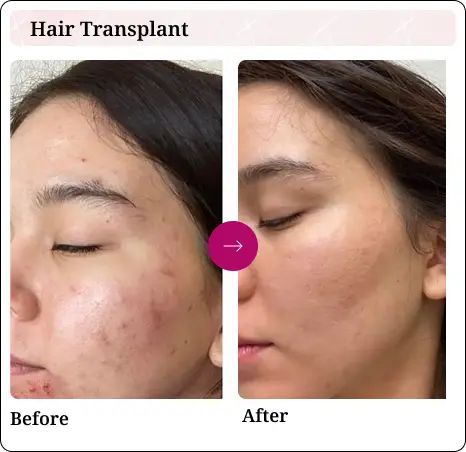
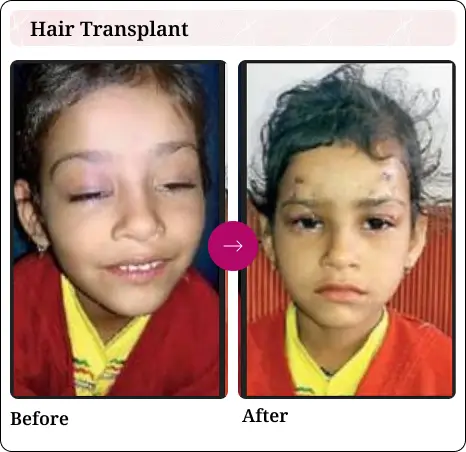
Dermabrasion is a skin-resurfacing procedure that removes controlled layers of damaged outer skin using a specialised rotating instrument. It may be used to improve selected acne scars, surgical or injury-related scars, fine lines, uneven texture, and certain surface irregularities. The depth of treatment is planned according to the concern, treatment area, skin type, medical history, and expected outcome. As the treated skin heals, a smoother and more even-looking surface gradually develops. Dermabrasion is different from microdermabrasion because it treats deeper skin layers and requires a longer recovery

Did you Know?

• Dermabrasion uses a rapidly rotating abrasive instrument to remove controlled layers from the skin’s surface. • The procedure may improve selected acne scars, fine lines, surgical scars, injury-related scars, and uneven skin texture. • Dermabrasion is deeper and more intensive than microdermabrasion, with a longer healing period and more noticeable initial redness. • Careful sun protection is essential after treatment because healing skin may be more vulnerable to pigmentation changes.
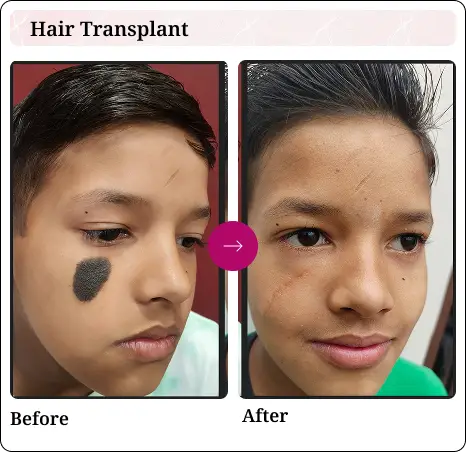
FREQUENTLY ASKED QUESTIONS ABOUT DERMABRASION

Dermabrasion must be planned according to skin type, scar depth, treatment area, and healing capacity. These answers explain the procedure, recovery, expected improvement, and possible risks.

1. What is dermabrasion?

Dermabrasion is a skin-resurfacing procedure that uses a rotating abrasive device to remove controlled outer skin layers and improve selected scars, wrinkles, and texture irregularities.

It may improve acne scars, surgical scars, injury-related scars, fine lines, uneven texture, age spots, and selected surface irregularities after professional assessment.

After anaesthesia, the surgeon uses a rapidly rotating brush or diamond-tipped instrument to carefully remove damaged skin layers from the selected treatment area.

No. Dermabrasion treats deeper skin layers and requires more recovery, while microdermabrasion is a gentler surface treatment with comparatively limited downtime.

Suitable candidates may include healthy adults with selected scars or texture concerns, realistic expectations, and skin characteristics considered appropriate after medical evaluation.

6. Is dermabrasion painful?

Anaesthesia helps prevent discomfort during treatment. Tenderness, burning, swelling, or sensitivity may occur afterward and can usually be managed with prescribed care.

New skin generally develops over several days, while redness and sensitivity may continue for weeks or longer depending on treatment depth and individual healing.

Skin texture may improve as healing progresses, but final results become clearer gradually after redness, swelling, and pigmentation changes have sufficiently settled.

Dermabrasion cannot guarantee complete scar removal. It may make suitable scars smoother and less noticeable, although multiple or combined treatments may sometimes be required.

Possible risks include infection, bleeding, prolonged redness, scarring, pigmentation changes, enlarged pores, acne flare-ups, uneven texture, or an unsatisfactory result.

Clients Who Trust us