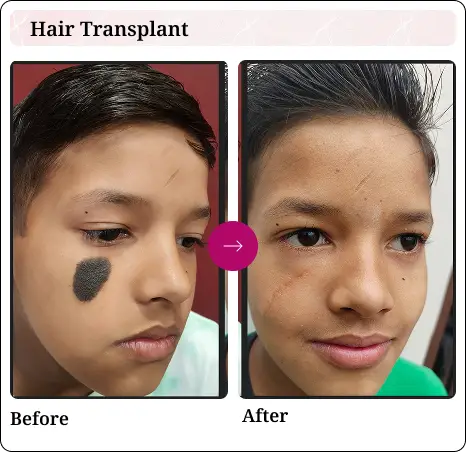
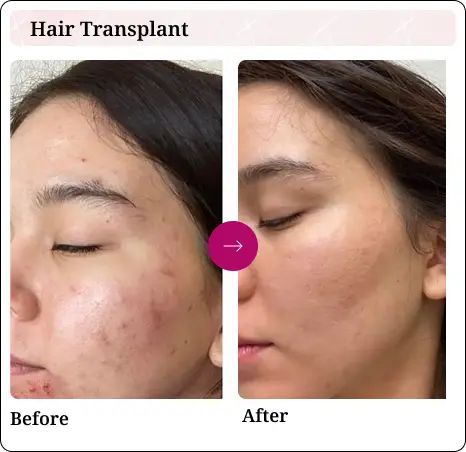
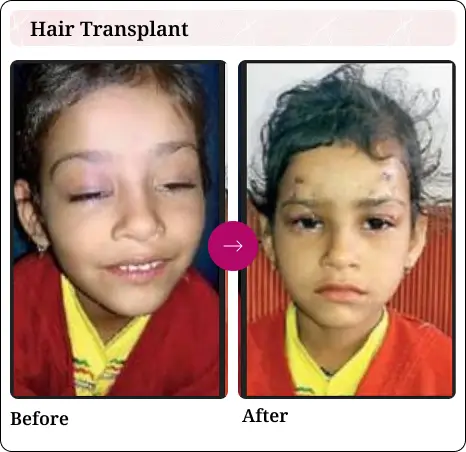
Botox treatment uses small, carefully placed injections of botulinum toxin to temporarily relax selected facial muscles responsible for expression lines. It is commonly used for forehead lines, frown lines between the eyebrows, crow’s feet, and other suitable dynamic wrinkles. The injection points and dosage are customised according to facial anatomy, muscle activity, medical history, and desired results. Treatment generally takes a short time and usually requires little interruption to daily activities. The objective is to soften noticeable lines while maintaining natural facial expression and movement.
• Botox works by temporarily reducing muscle activity rather than filling lines or adding volume beneath the skin. • Common treatment areas include forehead lines, frown lines, crow’s feet, and selected lines around the nose or mouth. • Results are temporary and gradually reduce as normal muscle activity returns over the following months. • Patients should avoid rubbing or massaging treated areas immediately afterward because this may affect product placement.
Botox treatment is personalised according to facial movement, treatment areas, and the degree of correction required. These answers explain its effects, recovery, duration, suitability, and possible risks.
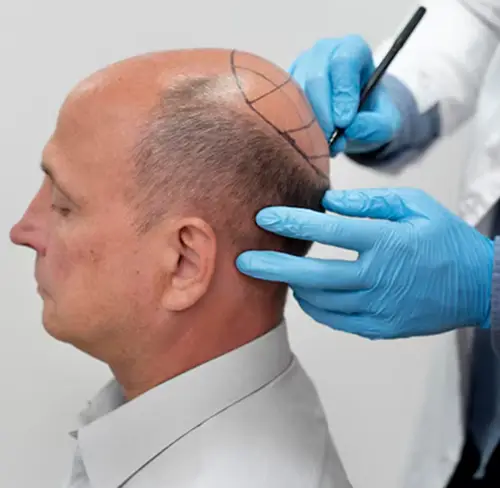
Botox treatment uses small injections of botulinum toxin to temporarily relax selected muscles and soften facial lines caused by repeated expressions and movement.
It may improve forehead lines, frown lines between the eyebrows, crow’s feet, and other dynamic wrinkles considered suitable after facial assessment.
Botulinum toxin temporarily blocks signals between nerves and selected muscles, reducing muscle contraction so expression-related lines appear softer and less noticeable.
Initial improvement may appear within several days, while the full effect generally becomes clearer as the treated muscles gradually relax.
Results commonly last for several months. Duration varies according to dosage, treatment area, muscle strength, metabolism, and previous treatment history.
Patients may feel brief pinching or stinging during injection. The needles are very fine, and treatment is generally completed without anaesthesia.
Most patients can resume routine activities immediately. Temporary redness, swelling, bruising, tenderness, or a mild headache may occur after treatment.
Carefully planned treatment aims to soften excessive muscle activity while preserving natural expression. An unnatural appearance may result from unsuitable dosage or placement.
It may be unsuitable during pregnancy, breastfeeding, active infection, certain neuromuscular conditions, or when allergies or medicines increase treatment risks.
Possible risks include bruising, headache, temporary facial weakness, eyelid drooping, asymmetry, redness, nausea, and rare swallowing or breathing difficulties.
2024@copyright
AI ANALYSIS
WhatsApp us