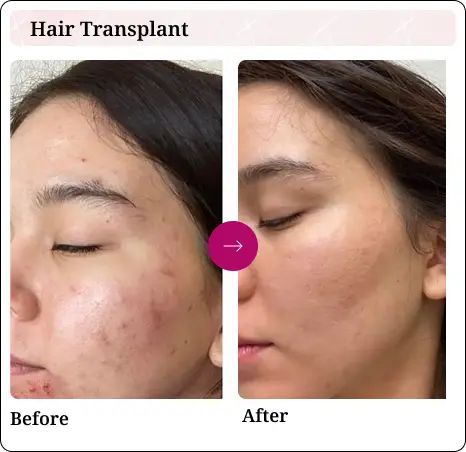
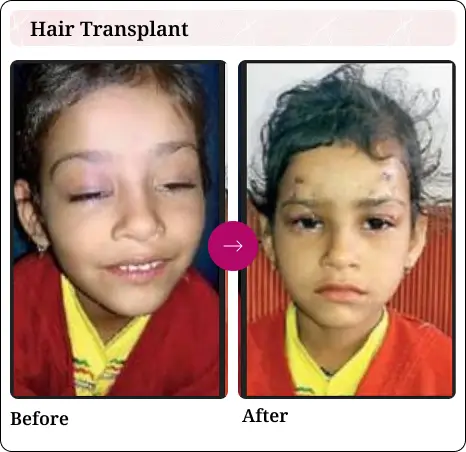
A chemical peel is a skin-resurfacing treatment in which a carefully selected solution is applied to remove controlled layers of damaged skin. It may help improve uneven skin tone, pigmentation, acne marks, fine lines, sun damage, and rough texture. Chemical peels are available in different strengths, including superficial, medium, and deep peels, depending on the concern being treated. The peel type and concentration are selected according to skin type, treatment area, medical history, and expected results. As the skin heals, it may appear smoother, brighter, and more evenly toned.

Did you Know?

• Chemical peels are classified as superficial, medium, or deep according to how far the treatment penetrates the skin. • Superficial peels generally require less recovery, while deeper peels produce more intensive peeling and need longer healing periods. • Several sessions may be recommended for concerns such as mild pigmentation, acne marks, uneven texture, or fine lines. • Sun protection is essential after treatment because newly treated skin can be particularly sensitive to ultraviolet exposure.
FREQUENTLY ASKED QUESTIONS ABOUT CHEMICAL PEELS

Chemical peel treatment must be selected according to skin type, pigmentation, sensitivity, and the concern being treated. These answers explain preparation, recovery, expected results, and possible risks.

1. What is a chemical peel?

A chemical peel applies a controlled solution to the skin, removing selected outer layers and encouraging smoother, brighter, and more evenly textured skin to develop.

Chemical peels may improve uneven pigmentation, acne marks, fine lines, rough texture, sun damage, dullness, and selected superficial scars after professional assessment.

Chemical peels are commonly classified as superficial, medium, or deep. The appropriate depth depends on the skin concern, skin type, and desired correction.

The skin is cleansed before a selected chemical solution is applied for a controlled period. It is then neutralised or removed according to the product.

Patients may experience warmth, tingling, stinging, or a burning sensation. The intensity depends on the peel depth, solution used, and individual sensitivity.

6. How long does the skin take to peel?

Peeling may begin within several days and continue for about a week or longer. Recovery varies considerably according to the treatment depth.

Some concerns improve after one treatment, while superficial peels may require several sessions. The recommended number depends on skin condition and treatment goals.

Chemical peels may improve selected superficial acne scars and pigmentation, but deeper scars may require laser treatment, microneedling, subcision, or combined procedures.

Patients should avoid picking peeling skin, use recommended moisturisers, limit irritating products, and apply broad-spectrum sunscreen regularly during the healing period.

Possible risks include redness, swelling, irritation, infection, scarring, prolonged sensitivity, pigmentation changes, uneven results, or reactivation of cold sores.

Clients Who Trust us