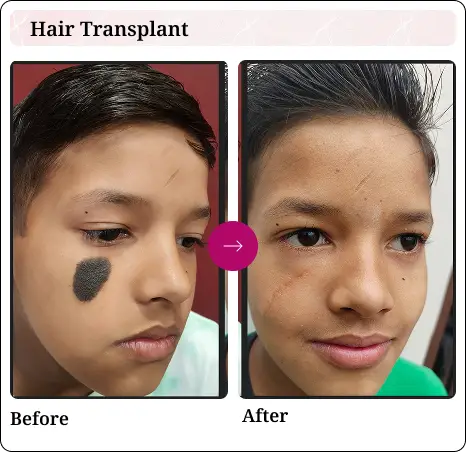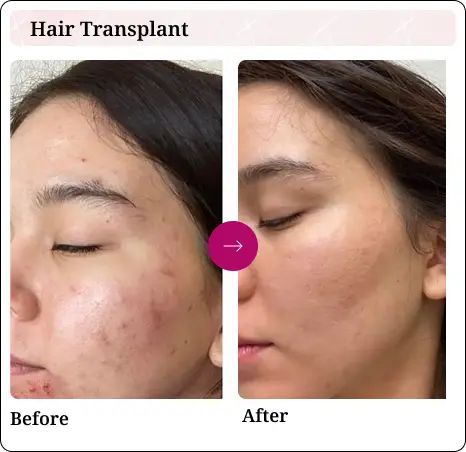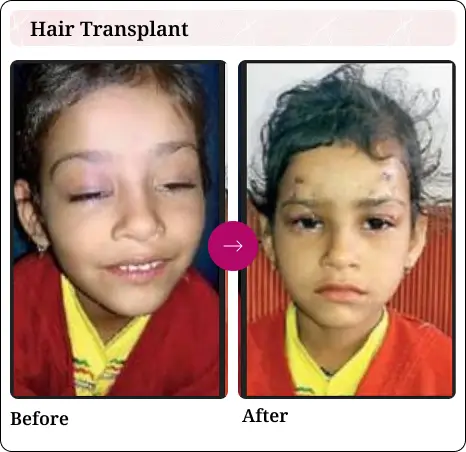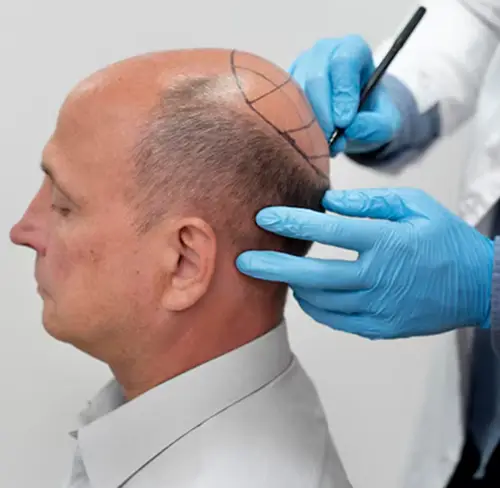
Laser skin treatment uses controlled light energy to improve selected concerns involving skin tone, texture, pigmentation, scars, and visible signs of ageing. Depending on the condition, treatment may use ablative, non-ablative, or fractional laser technology. Laser resurfacing can remove damaged outer skin layers or stimulate collagen within deeper tissues without fully removing the surface. The treatment method and intensity are selected according to skin type, concern, treatment area, medical history, and expected results. The objective is to achieve gradual, natural-looking improvement while minimising avoidable damage to surrounding skin.
Did you Know?
• Laser skin treatments may improve fine lines, mild-to-moderate acne scars, uneven tone, sun damage, pigmentation, and rough skin texture. • Ablative lasers remove controlled outer layers of skin, while non-ablative lasers stimulate deeper tissue with considerably less surface injury. • Fractional laser treatment creates microscopic treatment zones, allowing untreated surrounding skin to support the healing process. • Recovery time and treatment intensity vary significantly according to the laser technology, settings, skin type, and depth of resurfacing.
FREQUENTLY ASKED QUESTIONS ABOUT LASER SKIN TREATMENT
Laser treatments must be carefully selected according to skin tone, concern, sensitivity, and desired improvement. These answers explain treatment types, preparation, recovery, results, and possible risks.
1. What is laser skin treatment?
Laser skin treatment uses concentrated light energy to resurface damaged skin, stimulate collagen, improve pigmentation, and reduce selected scars, lines, and texture irregularities.
2. What concerns can laser treatment improve?
It may improve fine lines, sun damage, age spots, uneven pigmentation, rough texture, enlarged pores, mild acne scars, and selected surgical or injury-related scars.
3. What is ablative laser resurfacing?
Ablative resurfacing removes controlled outer skin layers while heating deeper tissue, encouraging new skin formation and collagen remodelling during the healing process.
4. What is non-ablative laser treatment?
Non-ablative lasers heat deeper skin tissue without removing the surface, stimulating collagen development with comparatively shorter recovery and more gradual results.
5. What is fractional laser treatment?
Fractional lasers treat microscopic columns of skin while leaving surrounding tissue intact, which may support faster healing compared with fully ablative resurfacing.
6. How many laser sessions are required?
The number of sessions depends on the condition, laser type, treatment depth, skin response, and desired correction. Some concerns require several treatments.
7. Is laser skin treatment painful?
Patients may experience warmth, stinging, or burning. Topical anaesthesia, local anaesthesia, cooling, sedation, or other pain-control methods may be used when appropriate.
8. How long does recovery take?
Non-ablative treatment may involve minimal recovery, while ablative resurfacing can require several weeks. Redness may continue after the skin surface has healed.
9. What precautions are required after treatment?
Patients should follow wound-care instructions, avoid irritating products, protect treated skin from sunlight, use recommended moisturisers, and apply broad-spectrum sunscreen regularly.
10. What are the possible risks?
Possible risks include redness, swelling, itching, infection, acne flare-ups, scarring, burns, prolonged sensitivity, cold-sore reactivation, and temporary or permanent pigmentation changes.
Clients Who Trust us