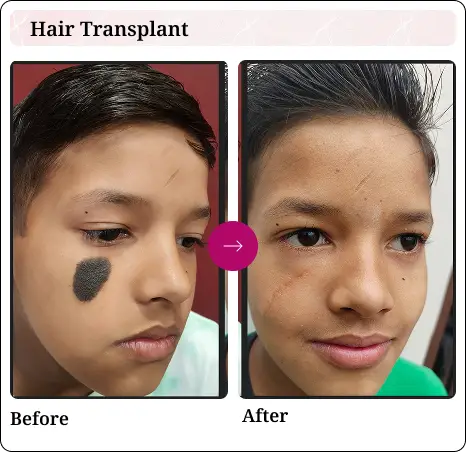
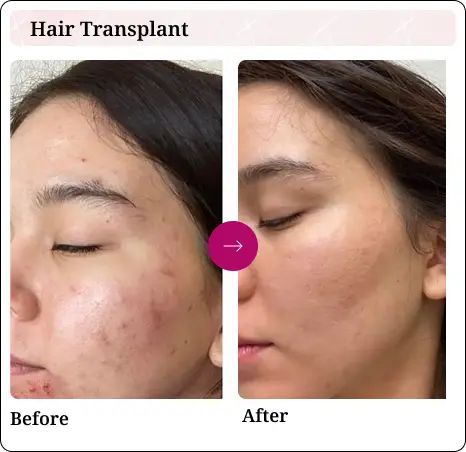
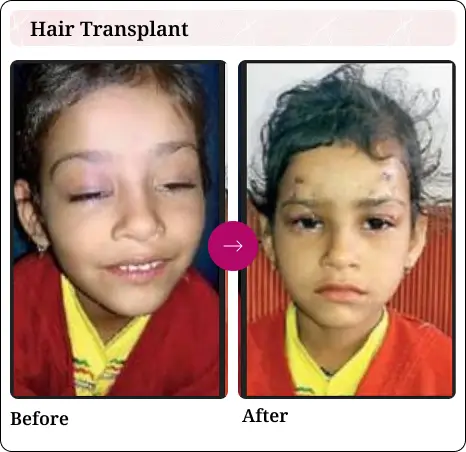
Anti-wrinkle treatment includes non-surgical and minimally invasive procedures designed to soften fine lines, expression wrinkles, and other visible signs of facial ageing. Depending on the concern, treatment may involve botulinum toxin injections, dermal fillers, chemical peels, laser resurfacing, microneedling, or a customised combination. The most suitable approach is selected according to wrinkle type, facial movement, skin quality, medical history, and desired results. Some treatments work by relaxing selected muscles, while others restore volume or stimulate collagen production. The objective is to create a refreshed appearance while preserving natural facial expression.
• Dynamic wrinkles appear mainly during facial movement, while static wrinkles remain visible even when the face is relaxed. • Botulinum toxin is commonly used for expression lines, while dermal fillers may help soften wrinkles related to volume loss. • Laser resurfacing, chemical peels, and microneedling may improve skin texture and stimulate collagen production over time. • A combination treatment may be recommended when wrinkles are caused by muscle activity, volume loss, and skin ageing together.
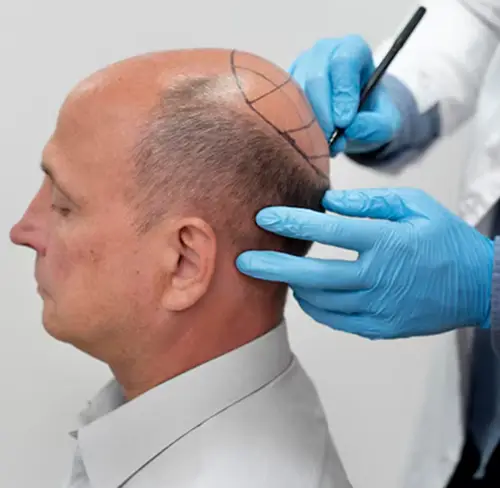
Anti-wrinkle treatment is customised according to the type, depth, and cause of facial lines. These answers explain available options, recovery, expected results, and possible risks.
Anti-wrinkle treatment includes injectable, resurfacing, and collagen-stimulating procedures used to soften facial lines and improve visible signs of ageing.
Treatment may improve forehead lines, frown lines, crow’s feet, smile lines, fine lines around the mouth, and selected wrinkles caused by ageing or volume loss.
Botox relaxes selected muscles causing expression lines, while fillers add volume beneath the skin to soften folds, hollows, and selected static wrinkles.
The treatment is chosen after assessing wrinkle type, facial movement, skin quality, volume loss, medical history, expected improvement, and acceptable downtime.
Injectable treatments may show improvement within days, while collagen-stimulating and resurfacing procedures generally produce more gradual results over several weeks.
Duration varies by treatment. Botulinum toxin usually lasts several months, while fillers, lasers, and collagen-based procedures may provide longer-lasting improvement.
Discomfort is usually mild and temporary. Patients may feel pinching, stinging, warmth, or pressure, depending on the selected procedure and treatment area.
Downtime ranges from minimal redness or swelling to several days of peeling or sensitivity, depending on whether injections or resurfacing treatments are performed.
Yes. Conservative treatment planning and precise technique can soften lines while preserving normal facial movement, expression, and overall facial balance.
Possible risks include bruising, swelling, redness, asymmetry, infection, altered sensation, pigmentation changes, drooping, lumps, burns, or an unsatisfactory result.
2024@copyright
AI ANALYSIS
WhatsApp us