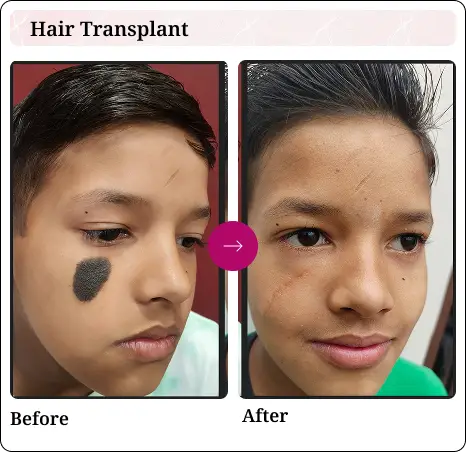
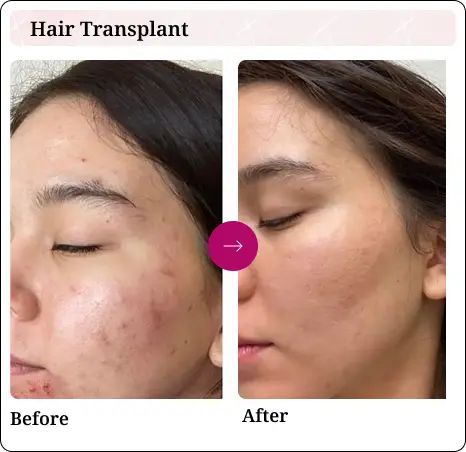
Scarless breast lump removal generally refers to minimally invasive techniques used to remove selected benign breast lumps through a very small skin opening. Depending on the lump’s size, location, imaging appearance, and biopsy results, vacuum-assisted excision may be considered instead of conventional open surgery. The procedure is usually performed under image guidance so the lump can be accurately located and removed. Every breast lump must first be properly assessed to determine whether this approach is appropriate. Although the technique may minimise visible scarring, no procedure can guarantee completely scar-free healing.
• Not every breast lump requires removal, but all new or changing lumps should be evaluated by a qualified medical professional. • Vacuum-assisted excision uses a specialised needle and gentle suction to remove selected breast tissue through a small incision. • Ultrasound or mammography may be used to guide the procedure and confirm the exact position of the breast lump. • Some lumps may still require conventional surgery depending on their size, diagnosis, location, or pathology findings.
Minimally invasive breast lump removal may be suitable only for carefully selected patients after imaging and biopsy. These answers explain assessment, procedure, recovery, results, and possible risks.
It is a minimally invasive technique that removes selected breast lumps through a small skin opening, often using image-guided vacuum-assisted excision rather than open surgery.
No procedure can guarantee zero scarring. However, the small entry point used during vacuum-assisted removal may leave a less noticeable mark than open surgery.
Selected benign or low-risk breast lesions may be suitable. Eligibility depends on imaging findings, biopsy results, lump size, location, and specialist assessment.
No. Some benign lumps may only require monitoring. Removal may be advised for growth, discomfort, uncertain diagnosis, cosmetic concern, or specific pathology findings.
The doctor generally uses ultrasound or mammography guidance to identify the exact location of the lump and position the removal device accurately.
A biopsy is often required to identify the nature of the lump and determine whether minimally invasive removal is appropriate or further surgery is necessary.
Vacuum-assisted excision is commonly performed under local anaesthesia, although the exact approach depends on the procedure, patient needs, and clinical circumstances.
Most patients experience temporary bruising, tenderness, and swelling. Routine activities may resume relatively soon, while strenuous exercise may require brief restriction.
The removed lump usually does not return, but residual tissue or new lumps may develop. Follow-up imaging may be recommended based on pathology results.
Possible risks include bleeding, bruising, infection, haematoma, pain, incomplete removal, contour changes, uncertain diagnosis, or the need for further surgery.
2024@copyright
AI ANALYSIS
WhatsApp us