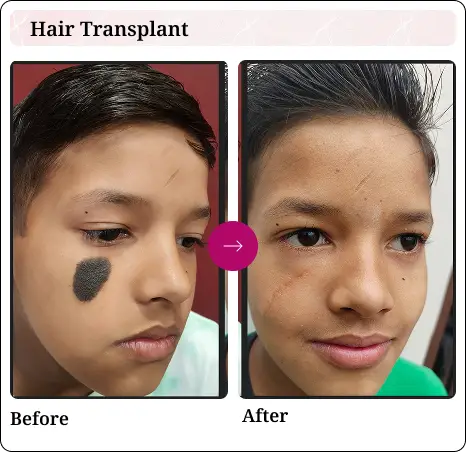
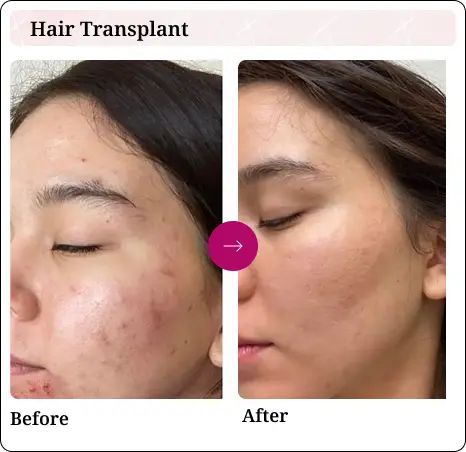
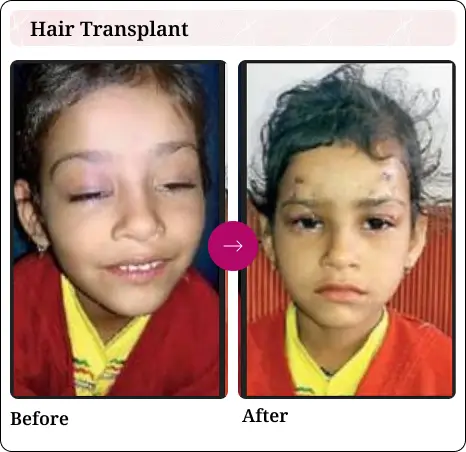
Fat injection, also known as fat grafting or fat transfer, uses a patient’s own body fat to restore volume, improve contours, or correct selected depressions and asymmetries. Fat is removed from an area such as the abdomen or thighs through liposuction, carefully processed, and injected into the required region. Common treatment areas include the cheeks, lips, under-eye hollows, hands, breasts, buttocks, and selected scars. The amount transferred and injection technique are planned according to anatomy, available donor fat, medical history, and treatment goals. The objective is to achieve soft, natural-looking enhancement using the patient’s own tissue.
• Fat grafting involves three main stages: collecting fat through liposuction, processing the harvested tissue, and injecting it into the treatment area. • Common applications include facial volume restoration, lip enhancement, hand rejuvenation, breast contouring, buttock enhancement, and correction of contour irregularities. • Some transferred fat is naturally reabsorbed, so the initial treatment volume may be greater than the expected final result. • Fat that successfully develops a blood supply may remain long term, although ageing, weight changes, and individual healing can affect results.
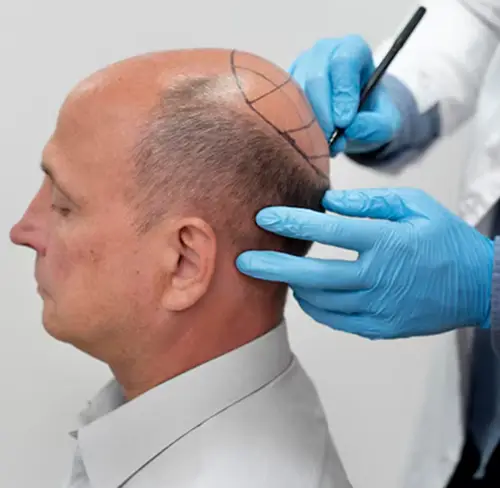
Fat grafting is customised according to the treatment area, available donor fat, anatomy, and desired correction. These answers explain the procedure, recovery, longevity, suitability, and possible risks.
Fat injection is a procedure that removes fat from one body area, processes it, and transfers it to another area requiring additional volume or contour correction.
Fat may be transferred to the cheeks, lips, under-eye hollows, temples, hands, breasts, buttocks, scars, and selected areas with volume loss or irregular contours.
Fat is commonly collected from areas such as the abdomen, waist, thighs, hips, or another region containing sufficient suitable tissue for transfer.
The surgeon removes fat through liposuction, purifies or processes it, and injects small amounts into carefully selected tissue layers within the treatment area.
Some transferred fat is absorbed during healing, while surviving fat cells may provide long-lasting volume. Final retention varies between patients and treatment areas.
Fat grafting uses the patient’s own tissue and requires liposuction, while dermal fillers use manufactured injectable products and usually involve less recovery time.
Swelling, bruising, tenderness, and firmness may continue for several weeks at both donor and injection sites. Recovery depends on the treatment extent.
Yes. Additional treatment may be needed when significant volume is required or when natural fat absorption reduces the initial correction more than expected.
Suitable candidates may include healthy adults with adequate donor fat, realistic expectations, stable weight, and no uncontrolled condition affecting surgery or healing.
Possible risks include bleeding, infection, asymmetry, contour irregularities, fat absorption, fat necrosis, oil cysts, calcification, scarring, or rare fat embolism.
2024@copyright
AI ANALYSIS
WhatsApp us