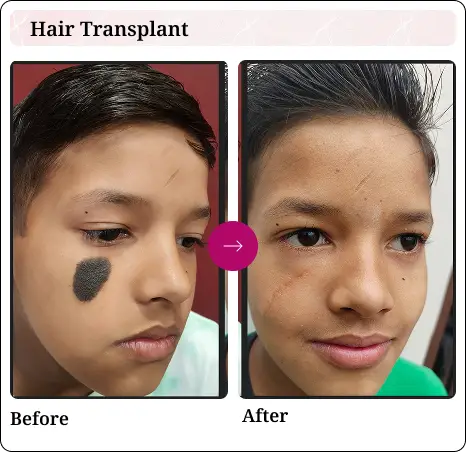
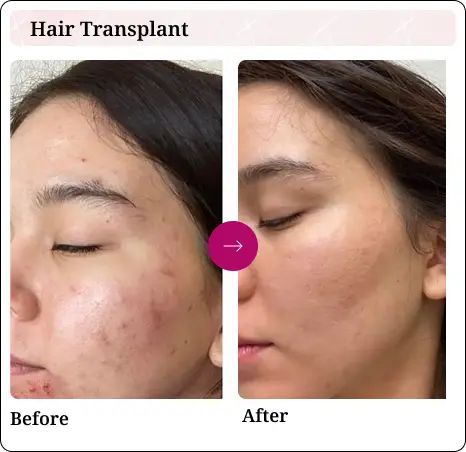
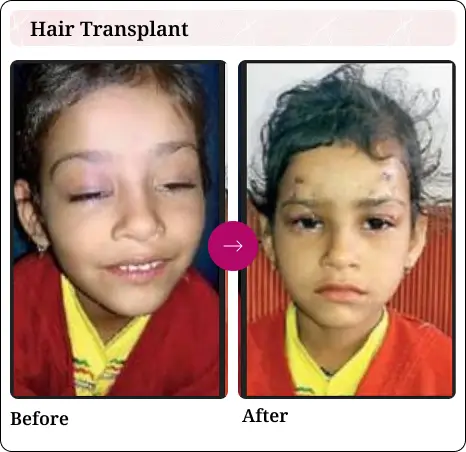
Mole and wart removal includes medical and minor surgical treatments used to remove selected skin growths that cause irritation, repeated injury, discomfort, or cosmetic concern. Moles may be removed through surgical excision, shave removal, or another suitable technique after proper examination. Warts may be treated using cryotherapy, topical medicines, cauterisation, curettage, laser treatment, or surgical removal. The appropriate method depends on the growth’s size, location, appearance, diagnosis, and medical history. Any mole that changes in size, shape, colour, or behaviour should be assessed before cosmetic removal.
• Moles and warts are different conditions; moles develop from pigment-producing cells, while common warts are caused by certain human papillomavirus strains. • A changing, bleeding, itching, irregular, or rapidly growing mole should be medically examined before removal. • Warts can spread to nearby skin or other people through direct contact and shared personal items. • No removal method can guarantee completely scar-free healing, and the final mark depends on the technique, location, and individual skin response.
Moles and warts require accurate identification before treatment because different skin growths need different approaches. These answers explain assessment, removal methods, recovery, and possible risks.
Mole removal is a procedure that removes a selected mole using surgical excision, shave removal, or another technique chosen after examining its appearance and depth.
Wart removal involves destroying or removing wart tissue using cryotherapy, medicines, cauterisation, curettage, laser treatment, or surgery, depending on its location and persistence.
No. Moles are clusters of pigment-producing cells, while common warts are contagious skin growths caused by specific strains of the human papillomavirus.
A mole should be assessed if it changes in size, shape, colour, border, sensation, or begins bleeding, crusting, itching, or growing rapidly.
Many benign moles can be removed, but suspicious growths require proper examination and may need complete excision and laboratory testing rather than cosmetic treatment.
Depending on the mole, the doctor may use shave removal or surgical excision. Deeper or suspicious moles may require stitches and tissue analysis.
Common treatments include salicylic acid, freezing with liquid nitrogen, cauterisation, curettage, laser therapy, or surgery when other methods are unsuitable or unsuccessful.
Yes. Warts may recur because treatment removes the visible growth but may not completely eliminate the underlying viral infection from surrounding skin.
A scar or temporary colour change may remain after mole or wart removal. Its appearance depends on treatment depth, location, aftercare, and healing.
Possible risks include bleeding, infection, scarring, pigmentation changes, delayed healing, incomplete removal, recurrence, discomfort, or the need for further testing or treatment.
2024@copyright
AI ANALYSIS
WhatsApp us