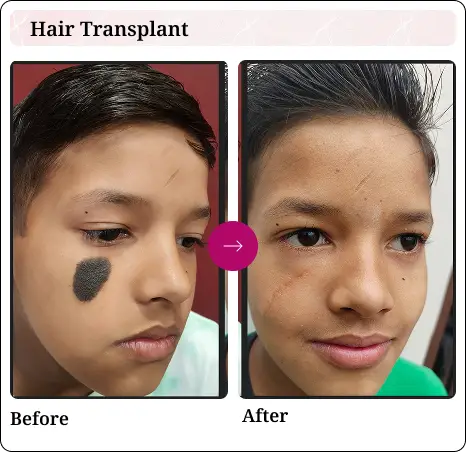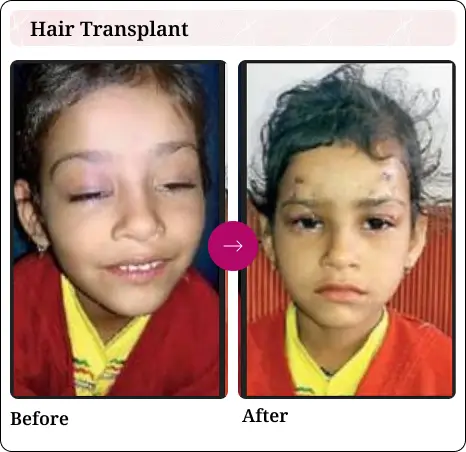
Facial trauma refers to injuries affecting the skin, soft tissues, bones, nerves, or other structures of the face. These injuries may result from road accidents, falls, sports incidents, workplace accidents, or physical impact. Treatment focuses on restoring facial structure, normal function, symmetry, and appearance while minimising long-term complications. Depending on the injury, care may involve wound repair, fracture fixation, scar management, or reconstructive surgery. Early assessment is important because facial trauma may also affect breathing, vision, jaw movement, sensation, and dental alignment.
Did you Know?
• Facial trauma may involve the nose, cheekbones, eye sockets, upper jaw, lower jaw, soft tissues, or several structures at the same time. • Symptoms such as breathing difficulty, vision changes, severe bleeding, loss of consciousness, or jaw misalignment require urgent medical attention. • Facial fractures may need surgical alignment and fixation to restore normal bone position, facial symmetry, and function. • Treatment planning may involve coordination between plastic surgeons, oral and maxillofacial surgeons, ophthalmologists, dentists, and other specialists.
FREQUENTLY ASKED QUESTIONS ABOUT FACIAL TRAUMA
Facial injuries can vary from minor wounds to complex fractures requiring urgent and coordinated care. These answers explain common causes, symptoms, treatment options, recovery, and possible complications.
1. What is facial trauma?
Facial trauma includes injuries to the facial skin, muscles, nerves, bones, eyes, nose, mouth, or jaw caused by accidents, falls, sports, or physical impact.
2. What are the common causes of facial injuries?
Common causes include road accidents, falls, sports injuries, workplace incidents, physical assault, animal bites, burns, and accidental impact from heavy or sharp objects.
3. What symptoms may indicate a facial fracture?
Possible signs include swelling, bruising, facial deformity, numbness, difficulty opening the mouth, disturbed vision, nosebleeds, loose teeth, or an altered bite.
4. When should facial trauma be treated as an emergency?
Immediate care is required for breathing difficulty, uncontrolled bleeding, vision changes, unconsciousness, severe pain, clear facial deformity, or suspected head and neck injuries.
5. How is facial trauma diagnosed?
Diagnosis may involve physical examination, assessment of vision and jaw movement, dental evaluation, X-rays, CT scans, and other tests based on the injury.
6. How are facial fractures treated?
Minor fractures may require observation, while displaced or unstable fractures may need surgical repositioning and fixation using plates, screws, wires, or other techniques.
7. Can facial trauma affect normal function?
Yes. Depending on the injured area, facial trauma may affect breathing, chewing, speaking, vision, facial movement, sensation, dental alignment, or the ability to open the mouth.
8. Will facial trauma treatment leave scars?
Scarring depends on the injury and required treatment. Surgeons carefully position incisions and use reconstructive techniques to minimise visible scars wherever possible.
9. How long does recovery take?
Recovery varies according to the injury’s location and severity. Soft-tissue injuries may heal within weeks, while complex fractures may require several months.
10. What complications can occur after facial trauma?
Possible complications include infection, facial asymmetry, visible scars, numbness, vision problems, breathing difficulty, altered bite, restricted jaw movement, or delayed bone healing.
Clients Who Trust us