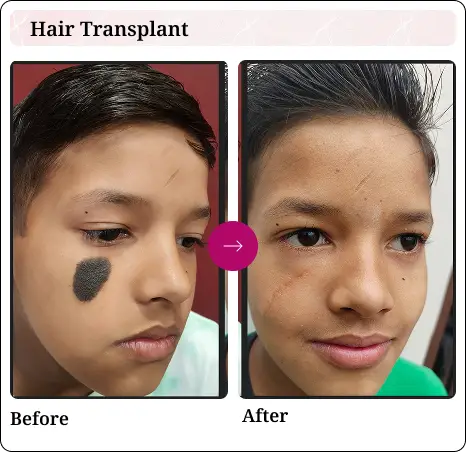
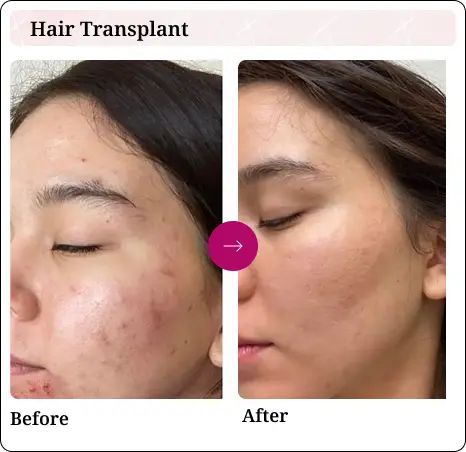
Facelift surgery, medically known as rhytidectomy, is performed to improve visible signs of ageing in the face and jawline. It may help reduce sagging skin, deep facial folds, loose tissues, and loss of definition around the cheeks, jaw, and neck. During the procedure, underlying facial tissues may be repositioned and excess skin carefully removed. The treatment is planned according to facial anatomy, skin quality, age-related changes, medical history, and individual expectations. The aim is to create a refreshed and natural-looking appearance without making the face look excessively tight or altered.
• A facelift mainly improves the lower two-thirds of the face, including the cheeks, jawline, and areas around the mouth. • The procedure may be combined with neck lift, eyelid surgery, fat grafting, or other treatments for more comprehensive facial rejuvenation. • Modern facelift techniques reposition deeper tissues instead of relying only on skin tightening. • The final results become clearer gradually as swelling settles and the facial tissues adapt to their new position.
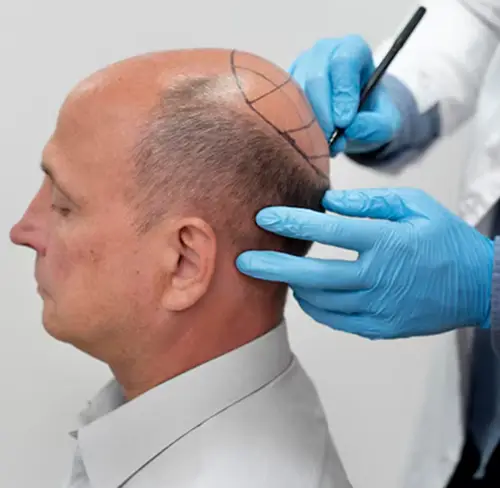
Facelift surgery is customised according to the patient’s facial structure, degree of ageing, skin quality, and desired outcome. These answers explain its techniques, recovery, benefits, and risks.
Facelift surgery is a cosmetic procedure that repositions facial tissues and removes excess skin to improve sagging, folds, jawline definition, and age-related facial changes.
A facelift may improve sagging cheeks, deep folds around the mouth, jowls, loose jawline skin, and reduced definition in the lower face.
Suitable candidates may include healthy adults with facial sagging, good skin elasticity, realistic expectations, and no uncontrolled medical conditions affecting surgery or healing
A traditional facelift mainly targets the cheeks, jawline, and lower face. Forehead, eyelid, or skin-texture concerns may require separate procedures or treatments.
The surgeon makes carefully planned incisions, lifts and repositions deeper facial tissues, removes excess skin, and closes the incisions to create smoother contours.
Incisions are commonly placed around the ears, within the hairline, and sometimes beneath the chin, depending on the selected technique and treatment areas.
Swelling and bruising usually improve over several weeks. Many patients resume routine activities within two to four weeks, depending on individual healing.
Facelift results can remain visible for several years, although the natural ageing process continues and may gradually affect facial skin and tissue position.
A carefully planned facelift aims to restore facial definition without excessive tightness. Results depend on surgical technique, anatomy, healing, and realistic treatment goals.
Possible risks include bleeding, infection, scarring, asymmetry, altered sensation, facial nerve injury, hairline changes, poor healing, anaesthesia complications, or revision surgery.
2024@copyright
AI ANALYSIS
WhatsApp us